
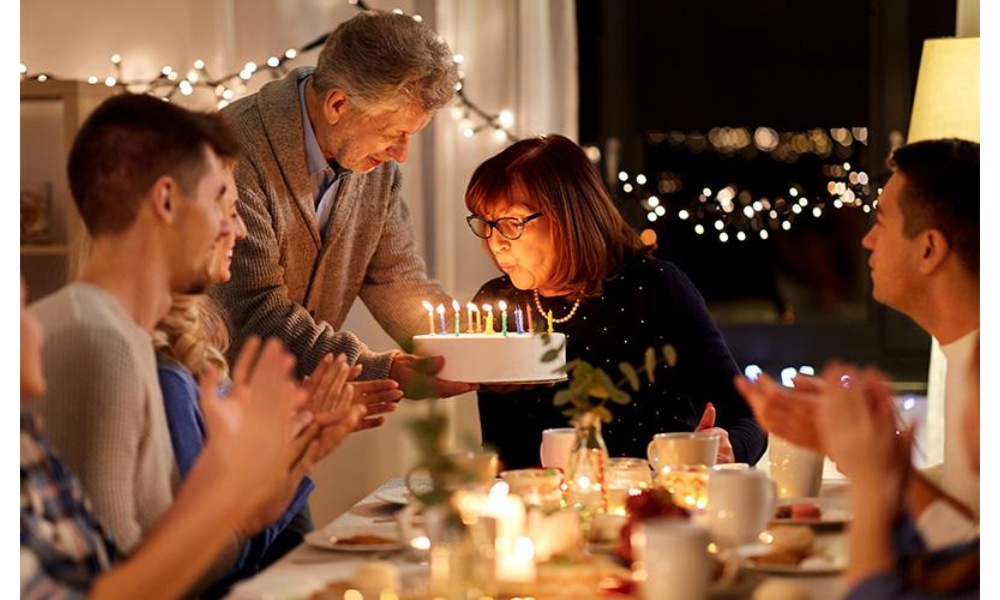
Birthday cakes provide a focal point during any celebration. When the lights dim and the candles are lit, attention turns to the person being celebrated. This singular moment helps bring everyone together in a shared expression of joy. Singing, making a wish, and cutting the cake create an experience that feels complete and intentional.
The tradition of birthday cakes has persisted because of how well it frames the event. It offers a visual and emotional highlight, whether for a child’s party, an office gathering, or a private dinner. The moment may be brief, but it becomes one of the most remembered parts of the day.
Supporting Cultural and Family Traditions
Birthday cakes play a role in many cultural and family practices. Some families always bake their cakes from scratch, while others purchase them from the same local shop each year. These habits form part of a family’s identity, adding meaning to celebrations.
In some cultures, specific cakes are linked to certain milestones—like turning 18 or reaching a new decade. These cakes become symbols of growth, achievement, and transition. Keeping the tradition alive connects present celebrations to the past, preserving memories through shared food.
Offering a Shared Experience That Brings People Together
Sharing food has always been a way to connect. Birthday cakes, in particular, create an opportunity to gather around a single item and enjoy it collectively. Unlike plated desserts served individually, a birthday cake is served in slices, reinforcing the idea of sharing.
Cutting and distributing cake is a group activity that encourages interaction and conversation. Whether it’s a group of children eager for their piece or adults enjoying a familiar ritual, the shared experience adds warmth to the event. It reminds everyone of the value of togetherness.
Reflecting on Personal Taste and Creativity
Birthday cakes have become an outlet for creative expression, from flavours and shapes to decorations and themes. Whether minimalist or elaborate, cakes allow hosts to tailor the celebration to the person’s preferences. A classic sponge may appeal to someone who likes simplicity, while a strawberry shortcake might reflect someone’s love for light and fruity desserts.
In today’s culture of visual storytelling and photography, cake design holds additional value. It becomes a part of the event’s visual identity and a feature in photos and social media posts. For many, the cake isn’t just a dessert—it’s part of the experience.
Providing a Sense of Continuity Across Generations
For many, birthday cakes form a consistent part of yearly routines. From early childhood to late adulthood, this tradition endures with slight changes. The cake may change in design, flavour, or size, but the practice remains.
This continuity gives people something to look forward to, especially in a fast-paced world where other traditions fade. Whether it’s a layered chocolate cake or a seasonal strawberry shortcake, the presence of a birthday cake marks time and provides a sense of belonging through familiar rituals.
Encouraging Thoughtfulness Through Personal Choice
Choosing or baking a birthday cake for someone is a thoughtful gesture. It requires knowledge of their taste, dietary preferences, and even aesthetics. It shows attention to detail and care for the person’s experience.
This thoughtfulness is part of what makes birthday cakes meaningful. The effort put into selecting the right cake flavour or theme reflects appreciation. Whether it’s a grand design or a simple cake topped with fruit, the underlying gesture is one of kindness.
Balancing Festivity and Function
Birthday cakes serve a dual purpose—they offer something delicious and act as a centrepiece. Few foods can hold this balance. While other dishes come and go, the cake marks the end of the celebration and offers a lasting impression.
In addition to being festive, cakes cater to various tastes and dietary needs. Options like sponge cakes, fruit-based desserts, or dairy-free versions provide flexibility while keeping the tradition intact. This makes it easier to include everyone at the table.
Adapting While Staying Relevant
Despite changes in food trends and dietary awareness, birthday cakes continue to evolve. Bakeries now offer low-sugar, plant-based, and gluten-free versions, making them accessible to more people. What remains unchanged is the idea of gathering around a cake to celebrate life.
Whether it’s a multi-tiered creation or a simple strawberry shortcake, the tradition remains meaningful because it adapts to modern preferences without losing its purpose. It still brings people together, honours individuals, and adds a touch of sweetness to an already special day.
Birthday cakes continue to hold meaning in celebrations of all kinds. From creating moments of connection to expressing thoughtfulness, they serve more than one purpose. They provide tradition, flavour, and unity in a way few other desserts can.
For more information about birthday cakes and dessert options, contact Fieldnotes today.