
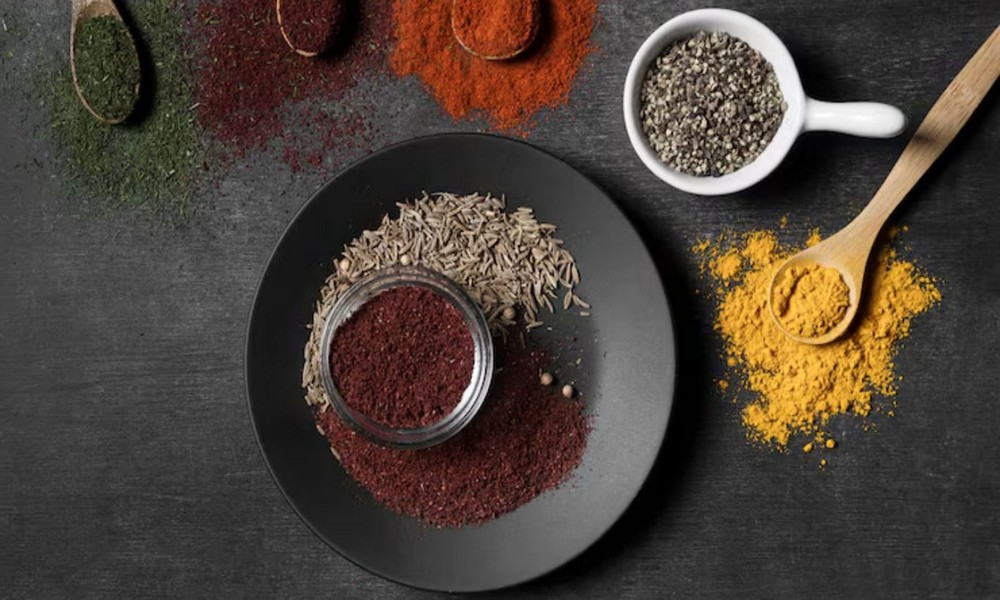
India’s culinary identity is deeply rooted in its rich and diverse use of masalas. From the robust gravies of the north to the coconut-infused curries of the south, each region has developed its own unique spice blends that define local flavours. Understanding these regional masalas not only enhances cooking but also offers a glimpse into India’s cultural and geographical diversity.
The Essence of Indian Masalas
‘Masala’ simply means spice, but in Indian cooking, it represents far more than just flavour. Each masala is carefully crafted using a combination of whole and ground spices such as cumin, coriander, turmeric, cardamom, cloves, and chilli. The proportions, roasting techniques, and freshness of ingredients all play a crucial role in determining the final taste. Some masalas are dry blends, while others are wet pastes made with ingredients like garlic, ginger, onion, or coconut.
North Indian Masalas: Bold and Aromatic
North Indian cuisine is known for its rich, hearty dishes, and its masalas reflect this intensity. Popular blends like garam masala combine warming spices such as cinnamon, cloves, and cardamom, lending depth and aroma to dishes like curries and biryanis. Punjabi cuisine often uses chole masala and rajma masala, which are slightly tangy and spicy, enhancing legume-based dishes. These masalas typically rely on dry roasting to bring out strong, earthy flavours.
South Indian Masalas: Spicy and Coconut-Forward
In South India, masalas are often sharper and more vibrant, with a distinct use of curry leaves, mustard seeds, and dried red chillies. Sambar powder and rasam powder are staples, each offering a unique balance of spice and tanginess. Coconut, either grated or ground, is frequently added to masalas in states like Kerala and Karnataka, creating a richer and slightly sweet profile. The use of tamarind further enhances the tangy flavour characteristic of this region.
East Indian Masalas: Subtle and Fragrant
Eastern India, particularly West Bengal and Odisha, favours lighter and more aromatic spice blends such as Panch phoron, a mix of five whole spices such as fenugreek, nigella, cumin, mustard, and fennel. Unlike other masalas, it is usually not ground, allowing the spices to release flavour gradually in hot oil. Mustard paste and poppy seed-based masalas are also commonly used, adding mild heat and unique texture to dishes.
West Indian Masalas: Sweet, Spicy, and Diverse
Western India offers a wide range of masalas influenced by local ingredients and climate. In Maharashtra, goda masala is a slightly sweet and nutty blend used in traditional dishes. Gujarati masalas often balance sweetness with spice, reflecting the region’s flavour preferences. Meanwhile, Goan cuisine features bold masalas with vinegar and coconut, as seen in dishes like vindaloo, showcasing a fusion of Indian and Portuguese influences.
Why Regional Masalas Matter
Regional masalas are more than just cooking ingredients; they preserve traditions, tell stories of local agriculture, and reflect centuries of culinary evolution. By exploring these blends, home cooks can recreate authentic flavours and experiment with new taste profiles.
Conclusion
India’s regional masalas are a testament to its culinary diversity. Each blend carries the essence of its origin, shaped by local ingredients, climate, and culture. Whether you are cooking a comforting dal or an elaborate curry, understanding these masalas can truly elevate your dishes and bring authentic Indian flavours to your kitchen.
Using high quality ground or whole spices from Sunrise spices can make this experience even better, helping you bring out deeper flavours and richer aromas across different dishes with ease.
FAQs
1. What is the difference between garam masala and curry powder?
Garam masala is a traditional Indian blend made with warming spices and added at the end of cooking, while curry powder is a more generic mix often used in Western cooking and may include turmeric as a dominant ingredient.
2. Can I substitute one regional masala for another?
While substitutions are possible, each masala has a unique flavour profile. Using a different one may change the authenticity and taste of the dish.
3. How should masalas be stored to retain freshness?
Masalas should be stored in airtight containers, away from heat, light, and moisture. Whole spices last longer than ground ones and can be freshly ground for better flavour.